
India had increasingly become an exception. The expectation that ministers should bear responsibility for institutional failure had faded almost to the point of disappearance especially since Narendra Modi became prime minister in 2014.
The author is a former spokesperson with the United Nations and a political observer
India had increasingly become an exception. The expectation that ministers should bear responsibility for institutional failure had faded almost to the point of disappearance especially since Narendra Modi became prime minister in 2014.
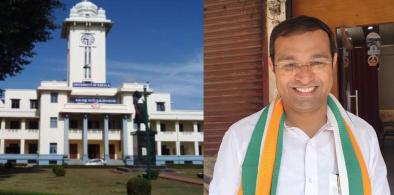
To its credit, the new state government’s policy declaration recognised this reality. It emphasised skill development, industry-linked learning and stronger connections between educational institutions and emerging sectors of the economy. Whether those aspirations translate into measurable reform remains to be seen.
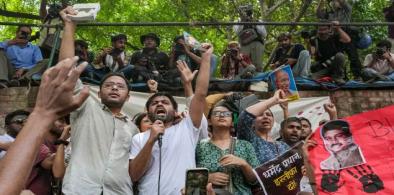
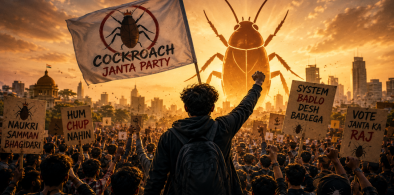
The rise of the Cockroach Janata Party may ultimately fade as quickly as it appeared. Most internet movements do. But the frustrations driving it are real and unlikely to disappear soon. Millions of young Indians feel politically unheard and economically cornered. Increasingly, they are expressing that frustration not through traditional…
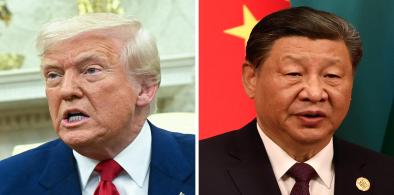
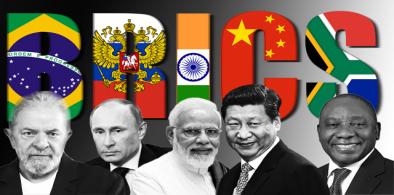
New Delhi now occupies an awkward middle space: not fully trusted by the West, yet no longer fully aligned with the broader Global South consensus either. That ambiguity becomes riskier if Washington and Beijing move into even a temporary phase of strategic stabilisation.
For India, the failure is particularly significant as its presidency was an opportunity to translate “strategic autonomy”, the current buzzword in foreign policy circles, into multilateral leadership. True, its response is shaped by structural constraints. The country imports more than 85% of its crude oil, much of it from West Asia and Russia…
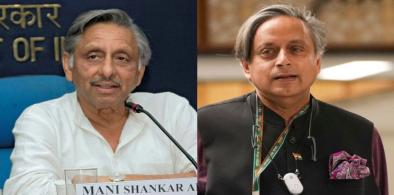
The Aiyar-Tharoor exchange has at least offered something rare in contemporary Indian politics: disagreement expressed in elegant prose rather than television shouting, screaming and even fistfights. In an age dominated by hashtags, studio debates and instant outrage, two politicians exchanging carefully argued letters feels almost like a…
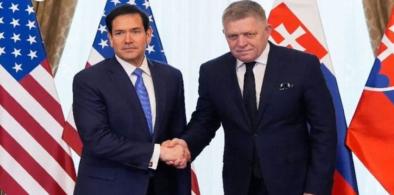
After Munich, Rubio travelled to Budapest and aligned himself warmly with Orbán’s government, praising Hungary’s trajectory. For European leaders committed to participatory democracy and the rule of law, the signal must have been disquieting. It suggested that Washington’s conception of Western solidarity may prioritise cultural homogeneity…
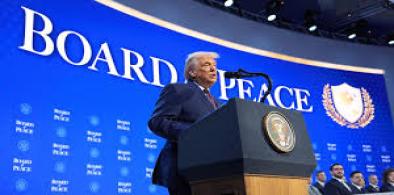
Declining Trump’s invitation would not signal hostility toward the United States. It would signal coherence in India’s own diplomacy. It would affirm that New Delhi will not lend its name to a project that concentrates authority in a single capital at a time when global cooperation demands broader legitimacy and shared accountability.
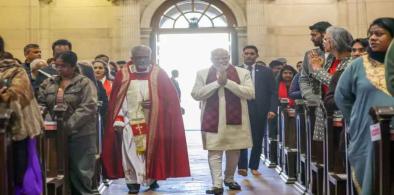
Uttar Pradesh, the country's most populous state, offers an even starker illustration of how symbolic minority marginalisation is being normalised. This year, the BJP government of Chief Minister Yogi Adityanath directed schools to remain open on December 25 and mandated programmes commemorating former prime minister Atal Bihari Vajpayee’s…
This twin strategy -- institutionalised engagement with Europe and practical leadership of the Global South -- would broaden India’s repertoire. A strengthened European partnership would sharpen India’s industrial and technological edge; robust South-South initiatives would deepen its diplomatic capital and soft power. Together they would blunt…